
SOUNDS LIKE AMERICA
OUR SONGS AND HOW THEY CAME HERE
An Illustrated Children's Book and Cross-Platform Musical Experience
By musician, NPR host & author Lara Downes and illustrator Keith Henry Brown
Sounds Like America: Our Songs And How They Came Here is an illustrated nonfiction children's book and cross-platform musical experience that explores the journeys of songs from around the world and how they became part of the American story.
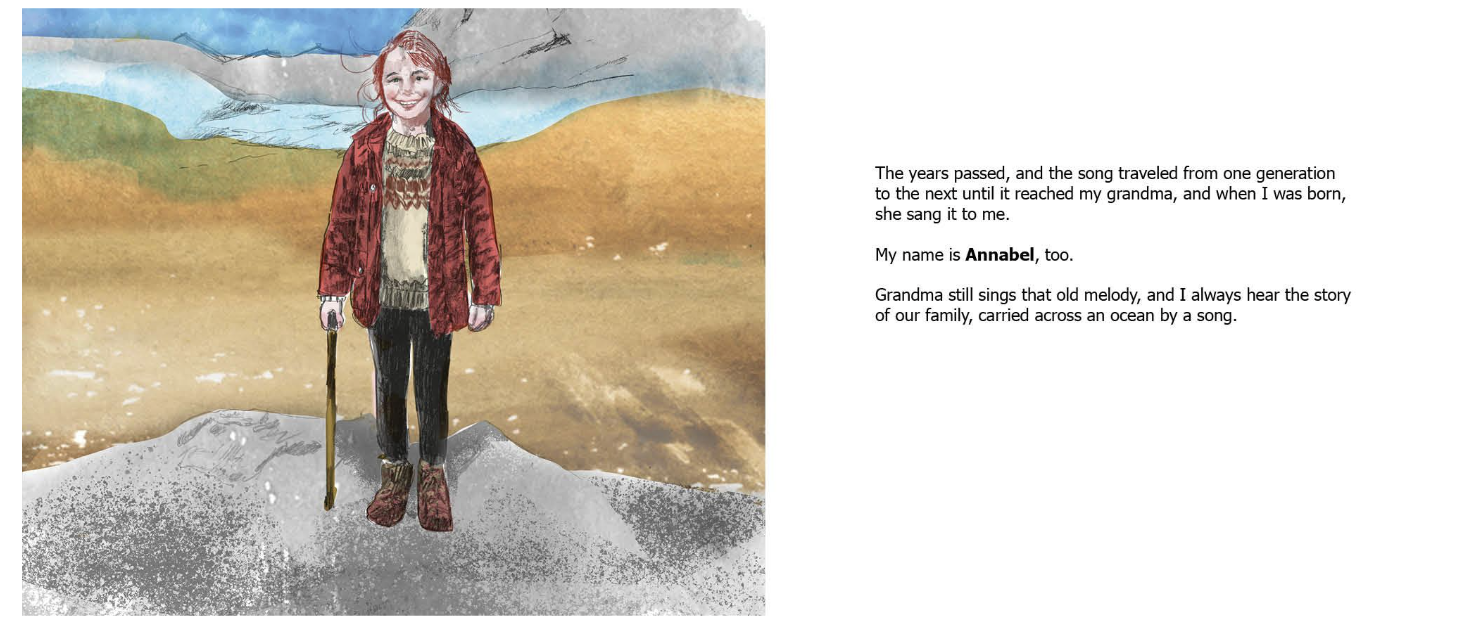
The Water Is Wide: Annabel’s story
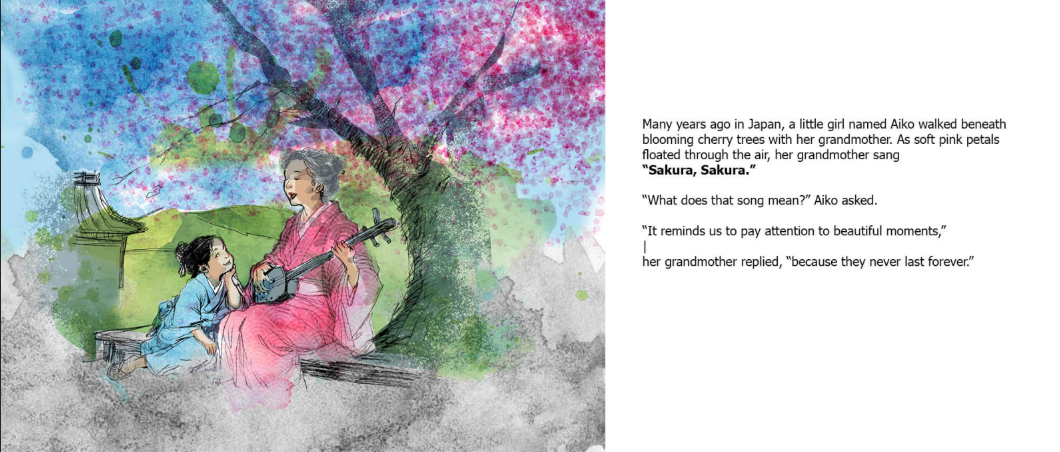
Sakura, Sakura: Haru’s story
Every family has a story. Every culture has a song. And many of those songs have traveled to America across generations with the people who carried them from far away to make this country their home.
Sounds Like America celebrates the idea that America was built not only by people arriving from different cultures, but also by the music, stories, traditions, and languages they carried with them. Our songs have traveled across time and place, passed down through families and geographies to become part of America's shared cultural identity.
Through engaging storytelling, vibrant illustrations, and original music, readers discover that songs evolve just as people do—crossing oceans, changing with each generation, and connecting communities across time. Sounds Like America invites children to experience the history of our country through its multigenerational soundtrack.
This is more than a children's book. It is the foundation of a larger cultural initiative that combines literature, music, education, live performance, and digital media to celebrate the many journeys, stories and songs that continue to shape America.
The Narrative
The story begins with a group of American children in familiar settings—a classroom, a playground, a park... At first glance, they appear to be ordinary classmates with little in common.
As readers get to know each child, they discover that someone in that child's family—a parent, grandparent, great-grandparent, or earlier ancestor—brought with them a song from another part of the world.
These treasured family traditions eventually became part of America's shared musical heritage.
Each chapter follows one child and one song.
Readers discover:
Where the song originated.
What it expressed, and why.
The people who carried it.
The journey that brought it to America.
How it evolved through generations.
The musicians who preserved, adapted, and reinvented it.
Why it continues to inspire people today.
As the stories unfold, children come to understand that music is one of the strongest threads connecting families to their heritage while also connecting Americans to one another.
The book concludes by bringing all of the children together, demonstrating that although every family has a different story, together they create the rich musical tapestry that is America.
Songs and Cultures
The featured songs will represent many of the cultures that have shaped American music, including:
The Water is Wide: a traditional Scottish folk song that took root in the musical traditions of Appalachia and the American South, evolving over generations to become part of the American folk revival.
Kumbaya: a song that originated among the Gullah Geechee communities of the coastal Southeast, with roots in West African traditions. The song spread across the United States through folk singers, summer camps, churches, and the Civil Rights Movement, becoming one of the most widely recognized songs in American culture.
Danny Boy: an old Irish tune called Londonderry Air that crossed the Atlantic with generations of Irish immigrants who made it part of family gatherings, concerts, and community celebrations across America, making it a beloved song embraced by singers of every background and woven into the fabric of American life.
Santa Lucia: a traditional Neapolitan boat song that traveled to the United States with millions of Italian immigrants in the late nineteenth and early twentieth centuries. It became a favorite in American homes, concert halls, and recordings, helping preserve a connection to Italian heritage while becoming part of the nation's rich musical mosaic.
Sakura Sakura (Cherry Blossoms): a traditional Japanese folk melody that came to the United States through Japanese immigration in the late nineteenth and early twentieth centuries. Today it is one of the most recognizable Japanese melodies in America, frequently performed by school choirs, orchestras, bands, and Japanese cultural festivals.
Guantanamera: a beloved Cuban song that found a wide American audience during the folk revival of the 1960s, when artists including Pete Seeger made it one of the best-known Spanish-language songs in the United States.
Cielito Lindo: a song that crossed into the United States through generations of Mexican immigrants, becoming a cherished symbol of cultural pride and celebration. Sung at family gatherings, concerts, sporting events, and community celebrations across America, it’s one of our most familiar songs of Mexican heritage.
Mo Li Hua (Jasmine Flower): a beloved folk song that came to the United States with Chinese immigrants who carried it across the Pacific during the nineteenth century as they built communities throughout the American West and beyond. Today its graceful melody reflects the lasting influence of Chinese American traditions on the nation's musical landscape.
Misirlou: a traditional Eastern Mediterranean melody with Greek, Turkish, and Middle Eastern roots that came to the United States with immigrant communities in the early twentieth century. It became an American icon when Greek American guitarist Dick Dale transformed it into a blazing surf rock anthem in the 1960s, introducing its centuries-old melody to a whole new generation of listeners.
Ochi Chornye (Dark Eyes): a song that began as a nineteenth-century Russian ballad and made its way to the United States with waves of immigrants from Russia and Eastern Europe, where it became a favorite in cafés, concert halls, and family celebrations, making it an enduring part of America's rich immigrant musical heritage.
Audience
Primary Audience
Children ages 6–12
Secondary Audience
Families
Teachers
Librarians
Music educators
Music streaming services
Radio stations
Museums
Arts organizations
Community organizations
Cultural institutions
The project is equally suited for classrooms, libraries, independent reading, family reading, concerts, and community programming.
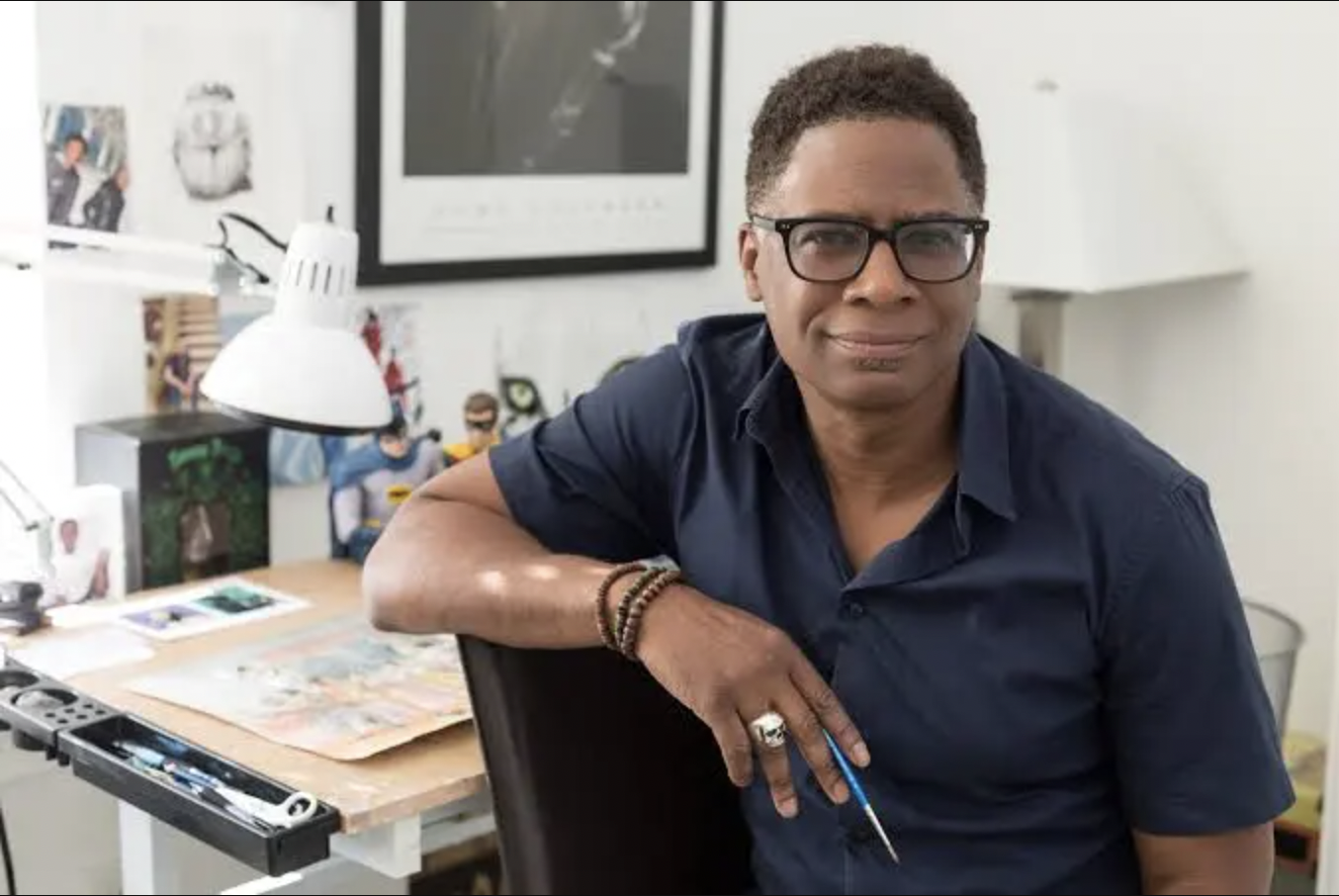

Lara Downes
Lara Downes brings expertise as a nationally renowned musician, writer, broadcaster, curator, educator, and advocate for America's musical traditions. Her artistic leadership provides a natural bridge between the project’s historical storytelling and its contemporary musical life. About Lara
Keith Henry Brown
Keith Henry Brown is an award-winning illustrator, author, designer, and visual storyteller whose children's books explore history, culture, music, and social justice. His background in jazz-related visual art and children's publishing brings a distinctive visual and narrative perspective to the project. About Keith
Together, Downes and Brown bring music, literature, education, and visual storytelling into a uniquely immersive collaboration.